
Most people don’t lose money in one dramatic moment. They lose it quietly. A little here, a little there, every week, every month—until the “little things” turn into a big reason why saving feels impossible and progress feels slow.
That’s the tricky part about income-draining habits: they don’t feel dangerous. They feel normal. They’re wrapped in convenience, stress relief, small treats, and “it’s only $10.” But those habits add up. And when they add up, they steal your margin—the money you could be using to build an emergency fund, pay down debt, invest, or simply feel calmer.
This article isn’t about guilt. It’s about awareness. Because once you can spot the habits that quietly drain your income, you can fix them without feeling like you’re cutting everything that makes life enjoyable.
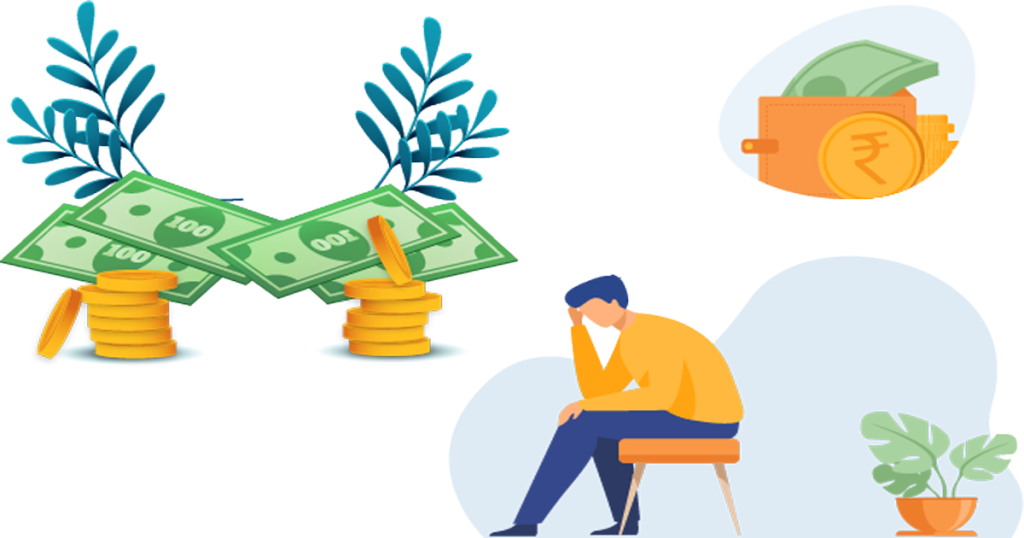
10 Spending Habits That Quietly Drain Your Income
Before we get into the list, remember: you don’t need to eliminate all spending to improve your finances. You need to stop spending automatically in ways that don’t actually improve your life. The goal is to keep the spending that brings real value and reduce the spending that’s mostly habit.
Also, you don’t have to fix all ten at once. Pick two or three that sound like you. Those are usually the fastest wins.
1. Subscription Creep That You Barely Notice
Subscriptions are designed to be invisible. A few streaming platforms, music, cloud storage, app upgrades, gym memberships, subscription boxes, “premium” features—each one feels small, but together they can become a serious monthly drain.
The reason subscription creep hurts is that it doesn’t feel like spending. You don’t “decide” to spend that money each month. It just disappears automatically, so it’s easy to ignore.
A good rule is reviewing subscriptions every month or two and asking, honestly: would I buy this again today if I had to manually pay for it? If the answer is no, it’s probably a leak.
2. Convenience Spending That Becomes a Default
Convenience is one of the most expensive lifestyles you can accidentally build. Delivery fees, ride shares instead of driving, last-minute purchases, paying extra for rush shipping, buying bottled drinks daily—these are tiny transactions that can add up faster than you expect.
The problem isn’t using convenience sometimes. The problem is when convenience becomes your default because planning feels like effort.
Even small shifts—planning simple meals, packing snacks, keeping essentials at home—can cut convenience spending without making life miserable.
3. “Small Treat” Spending That Happens Daily
The daily coffee, the snack stop, the quick “just one thing” purchase—these habits drain income because they’re repeated constantly.
A $6 coffee doesn’t sound like a big deal. But if it happens five days a week, that’s about $30 weekly. Multiply that by roughly 4 weeks and you’re at about $120 a month. Add a snack or two and it climbs fast.
You don’t have to remove all treats. The point is to make them intentional. One or two planned treats per week often feels just as good and costs way less.
4. Shopping Out of Boredom, Stress, or Emotion
Emotional spending is one of the most common income drains because it’s not about the item. It’s about the feeling: relief, excitement, comfort, distraction.
This can show up as online shopping at night, browsing sales “for fun,” buying things because you’re stressed, or treating yourself after a hard day.
The spending feels justified because the emotion feels real. But it can quietly destroy your cash flow, especially when it becomes a coping mechanism instead of an occasional choice.
5. Eating Out More Than You Realize
Eating out doesn’t just cost the price of the meal. It also includes tips, drinks, delivery fees, and the fact that it’s easy to spend more than planned when you’re hungry.
Many people underestimate how much eating out and ordering in costs because each meal feels like “not that much.” But it’s one of the fastest categories to balloon without you noticing.
A simple approach is creating a weekly limit: a certain number of meals out or a set budget amount. It’s easier to follow and doesn’t require tracking every receipt.
6. Upgrading Everything Automatically
Upgrades feel harmless: a nicer phone plan, a newer device, a better streaming package, a slightly nicer car, premium features, more storage, “just $10 more” for a better version.
The drain comes from stacking upgrades. Each one feels small, but together they raise your baseline monthly expenses.
Once your baseline rises, saving becomes harder even if your income hasn’t changed. This is why upgrades should be intentional, not automatic.
7. Paying Interest Because of Timing (Not Necessity)
Interest isn’t always about borrowing for something big. Often it’s about timing: carrying a credit card balance because you spent more than you had, paying late fees because you forgot, using “buy now, pay later” because it felt easier.
These costs are painful because they don’t give you anything in return. You’re not paying for value—you’re paying for delay.
The habit that fixes this is simple: automate minimum payments, track due dates, and keep a starter emergency fund so you don’t rely on credit when surprises hit.
8. Not Price-Checking and Comparing Before You Buy
Many people drain money by paying “default prices” without realizing it. They don’t compare insurance quotes. They don’t check interest rates. They don’t shop around for phone plans or internet. They don’t look for cheaper alternatives.
This isn’t about obsessing over every purchase. It’s about recognizing that some categories have huge differences in pricing.
Spending ten minutes comparing can save you hundreds over the year. That’s a high return on your time.
9. Buying Things That Create Ongoing Costs
Some purchases don’t just cost money once—they create ongoing costs. A car upgrade increases insurance and maintenance. A new pet comes with food and vet bills. A larger home raises utilities and repairs. A new hobby can come with subscriptions, gear, and upgrades.
This doesn’t mean you shouldn’t buy those things. It means you should recognize the full cost, not just the purchase price.
When you understand ongoing costs, you make decisions with clearer eyes—and you avoid being surprised later.
10. Letting “Leak” Categories Stay Untracked
Most people have one or two categories that quietly drain income: shopping, food delivery, entertainment, travel, gifts, or convenience spending.
The problem is when these categories stay untracked. If you don’t look, the leak keeps leaking.
A simple fix is tracking just one category for a month—the one you suspect is the biggest drain. Awareness alone often changes behavior, because you start noticing patterns and adjusting without forcing it.
Conclusion
Income doesn’t only get drained by big expenses. It gets drained by habits: subscription creep, convenience spending, daily treats, emotional shopping, eating out more than planned, automatic upgrades, interest and fees from timing, not comparing prices, purchases with ongoing costs, and untracked leak categories.
You don’t need to cut everything. You need to make spending intentional. Pick two habits from this list that sound like your biggest drains, fix those first, and watch what happens to your monthly margin. When you stop money from leaking quietly, saving and progress start to feel a lot more possible.
See more:

 12 Ways to Build Financial Awareness at Any Age
  10 Rules for Building Wealth Slowly and Safely
  15 Budget Adjustments That Free Up Extra Cash