
Your credit score is one of the most powerful numbers in your financial life. It affects your ability to buy a car, rent an apartment, get a mortgage, or even land certain jobs.
But improving it doesn’t have to be complicated or overwhelming. In fact, small, consistent actions can have a huge impact over time.
The good news? You don’t need to be a financial expert to raise your score. Whether you’re just starting out or trying to recover from past mistakes, simple daily habits can push your credit in the right direction.
Here are six everyday tricks that can help you boost your credit score steadily—and keep it high for good.
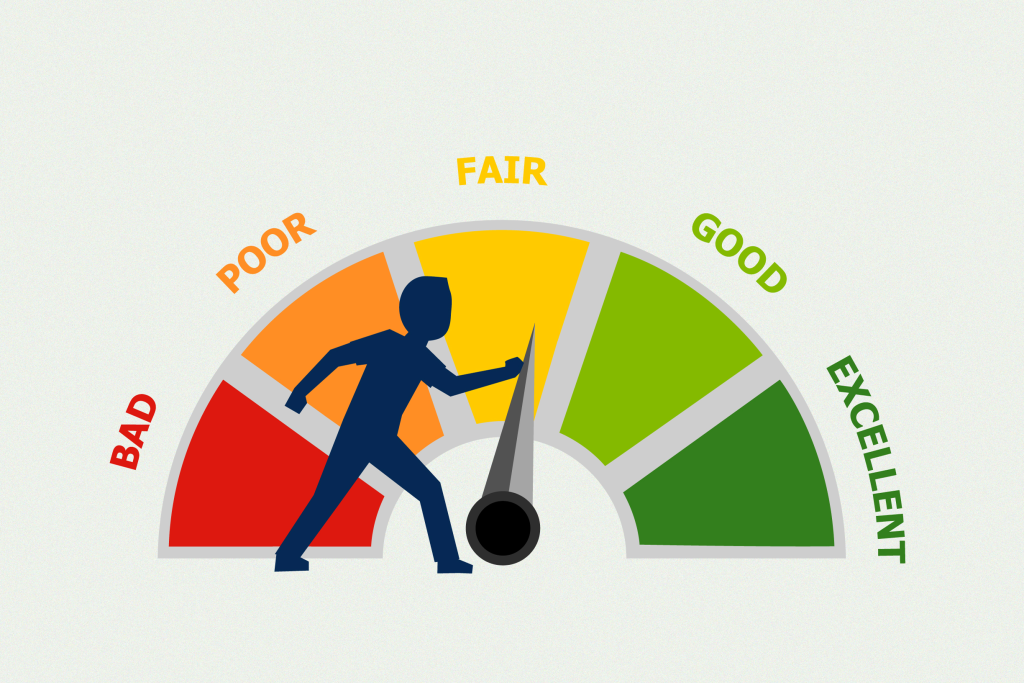
6 Everyday Tricks to Boost Your Credit Score
These easy-to-follow strategies will help you strengthen your credit step by step, starting today.
1. Always Pay on Time—Even the Minimum
Your payment history makes up about 35% of your credit score, making it the single most important factor. Even one missed payment can drop your score significantly and stay on your credit report for years.
The simplest trick? Automate your payments. Set up auto-pay for at least the minimum balance on all your credit accounts. That way, you’ll never miss a due date, even if life gets busy.
If you can, pay more than the minimum to reduce your balance faster and save on interest. But consistency is what really counts—every on-time payment builds trust with lenders and boosts your score over time.
Think of it as your financial reputation: pay faithfully, and your score will reflect your reliability.
2. Keep Your Credit Utilization Low
Credit utilization—the percentage of your available credit that you’re using—accounts for roughly 30% of your score. The general rule? Keep it below 30%, and ideally closer to 10% for the best results.
For example, if your total credit limit is $5,000, try to keep your balances under $1,500. High utilization signals to lenders that you might be overextended, even if you’re making payments on time.
If you tend to carry balances, consider making small payments throughout the month instead of waiting for the due date. This “credit hack” helps keep your reported balance lower and your score higher.
Low utilization shows discipline—and lenders love that.
3. Don’t Close Old Accounts Too Soon
It might be tempting to close credit cards you no longer use, but doing so can actually hurt your score. That’s because length of credit history makes up about 15% of your credit score. The longer your accounts stay open and active, the better.
Your oldest card plays a big role in your average credit age. By closing it, you shorten that history and reduce your total available credit—two factors that can lower your score.
Instead, keep old accounts open, even if you rarely use them. Just make small purchases every few months to keep them active, then pay them off in full.
Longevity is key—credit age rewards patience.
4. Diversify Your Credit Mix
Your credit mix—the variety of accounts you have—makes up about 10% of your score. Having a healthy mix of credit types, such as credit cards, auto loans, or student loans, shows lenders you can handle different forms of debt responsibly.
That doesn’t mean you should take on unnecessary loans. But if you’ve only ever used credit cards, consider adding a small installment loan or secured loan to your profile.
Even a credit-builder loan or a low-limit personal loan can help you diversify your credit and strengthen your score over time.
The goal is to show that you can manage multiple credit types without overextending yourself.
5. Monitor Your Credit Regularly
Checking your credit report isn’t just for people in trouble—it’s something everyone should do. Mistakes, identity theft, or outdated information can damage your score without you even realizing it.
You’re entitled to one free report per year from each of the three major credit bureaus—Experian, Equifax, and TransUnion—at AnnualCreditReport.com. Review them regularly for errors, and dispute any inaccuracies immediately.
There are also free apps that let you track your credit score in real time. Monitoring your credit helps you see how your actions—like paying off debt or opening a new account—impact your score over time.
Knowledge is power, and in this case, it’s financial power.
6. Be Strategic With New Credit Applications
Every time you apply for credit, a hard inquiry appears on your report and can temporarily lower your score by a few points. Applying for too many new accounts in a short period can make lenders nervous and signal financial instability.
Before applying for any new credit card or loan, make sure it’s necessary and beneficial for your long-term goals. Space out applications at least six months apart, and research the approval requirements beforehand to avoid unnecessary rejections.
If you’re shopping for a mortgage or auto loan, try to complete all applications within a two-week window—multiple inquiries in that short period usually count as one.
Be selective and intentional with credit—it’s not just about access, it’s about control.
Conclusion
Boosting your credit score doesn’t happen overnight, but it doesn’t have to be hard either. By paying on time, keeping balances low, managing old accounts wisely, and checking your credit regularly, you’re already doing what most people overlook.
The key is consistency. Even modest changes, repeated over time, create powerful results.
A strong credit score isn’t just a number—it’s a reflection of trust, discipline, and opportunity. It opens doors to lower interest rates, better job prospects, and greater financial flexibility.
So start today. Practice these simple habits, track your progress, and watch your financial confidence—and your credit score—grow together.
Because the best time to build great credit was yesterday. The second best time is now.
See more:

 11 Ways to Strengthen Your Financial Discipline
  Indigo Unsecured