
Improving your creditworthiness doesn’t have to take years. With the right steps and a focused plan, you can make meaningful progress in as little as three months.
Lenders look at several factors when deciding whether you’re a reliable borrower—your payment history, credit utilization, account mix, and even how often you apply for credit. That means there are multiple opportunities for you to strengthen your financial profile quickly.
The secret is consistency. You don’t need complicated strategies or extreme changes. What really moves the needle are small actions repeated day after day. Whether you’re preparing for a loan, trying to lower your interest rates, or simply building long-term financial health, these habits will help you present yourself as a trustworthy, low-risk borrower.
If you’re ready to transform your creditworthiness in the next three months, these 13 strategies will give you a clear roadmap—practical, actionable, and achievable even if you’re starting from scratch.
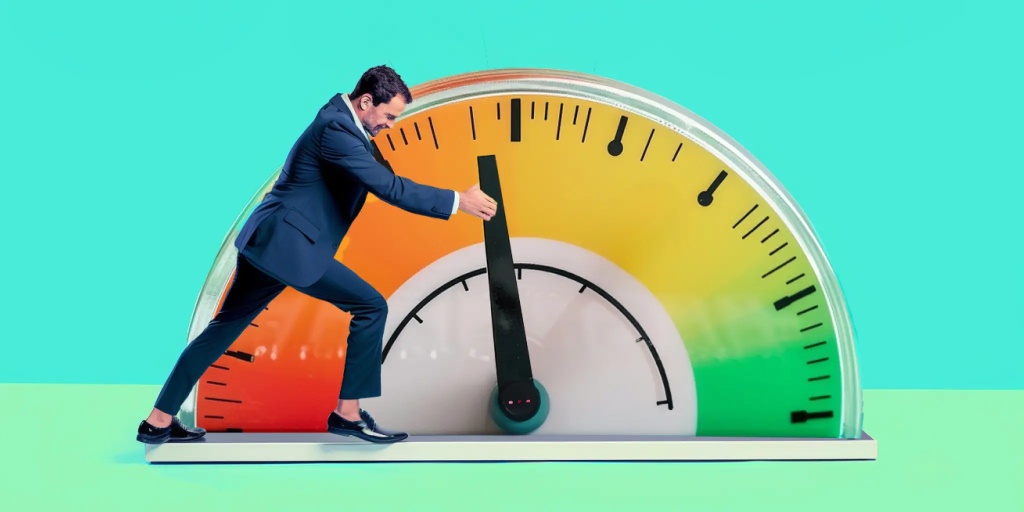
13 Ways to Boost Creditworthiness in 3 Months
Here’s how to strengthen your financial profile and build a credit history that lenders trust.
1. Pay All Bills on Time—Every Single Month
Payment history is the biggest factor in your credit score, making up about 35%. Even one late payment can set you back dramatically. Over the next three months, make on-time payments your top priority. Set up automatic payments for credit cards, loans, utilities, or subscription services you might accidentally forget.
If you have bills due at different times, align them with your payday by calling the provider and requesting a new due date. Most companies will accommodate this, which helps prevent last-minute rushes.
Consistency is everything. Three months of perfect payments can create a strong pattern that lenders notice, improving your overall creditworthiness quickly.
2. Reduce Your Credit Card Balances Strategically
Lowering your credit utilization ratio—how much credit you’re using compared to your limit—is one of the fastest ways to boost your score. Aim to keep your utilization below 30%, and ideally below 10%.
If you have multiple cards, avoid the mistake of paying a little toward each balance. Instead, focus aggressively on the card with the highest utilization. This yields faster improvements.
Even if you can’t pay off everything, dropping your balance by just a few hundred dollars can make a noticeable impact in your score within 30 to 60 days.
3. Request a Credit Limit Increase
You don’t always need to pay down debt to improve utilization—sometimes increasing your available credit does the job. Many credit card companies allow you to request a limit increase online without a hard inquiry.
Before asking, make sure you’ve had recent on-time payments and no major negative marks. Companies are more likely to approve increases when your account appears stable.
If approved, your credit utilization instantly improves, even if your balance stays the same. This single move can create a surprising boost in creditworthiness.
4. Avoid Applying for New Credit Temporarily
For the next three months, avoid new credit applications whenever possible. Hard inquiries stay on your report for two years, but their impact is strongest within the first six to twelve months.
Applying for multiple accounts makes lenders think you’re desperate or overextended, which lowers approval odds. Instead, focus your energy on strengthening what you already have.
If you need to compare loan options, use prequalification tools. They use soft inquiries that don’t affect your credit score.
5. Pay Down Small Debts Completely
Paying off a small credit card or installment loan can eliminate a monthly payment and strengthen your overall credit profile. Lenders love to see accounts with a history of being paid in full.
Start with debts under $300 or those with high interest rates. Even one paid-off account shows progress and increases your creditworthiness quickly.
The psychological boost is powerful too—knocking out small debts builds momentum for the bigger financial goals ahead.
6. Dispute Errors in Your Credit Report
Mistakes on credit reports are more common than most people realize. Incorrect balances, outdated accounts, or duplicate entries can drag down your score unfairly.
Check your report from all three major bureaus and look for inaccuracies. If you find something, dispute it immediately. Credit agencies are legally required to respond within 30 days.
Removing even one error—like a wrongly reported late payment—can raise your score faster than almost any other step.
7. Become an Authorized User on a Healthy Account
If you have a trusted family member or partner with excellent credit, becoming an authorized user on their account can help raise your score. You benefit from their positive history, especially if the account is old with low utilization.
Just make sure they pay on time and keep their balance low. A poorly managed account can hurt your credit instead of helping it.
This strategy is especially effective for people with a thin credit file or those rebuilding their credit from past mistakes.
8. Keep Older Accounts Active
Length of credit history is an important factor in your score. Closing old accounts can shorten that history and increase your utilization ratio.
Instead of shutting them down, use old credit cards for small recurring expenses—like Netflix or Spotify—and pay them off monthly. This keeps the card active without risking debt.
Your oldest account holds significant weight in your credit profile. Keeping it active helps maintain strong creditworthiness.
9. Negotiate Lower Interest Rates on Existing Debt
A lower interest rate means more of your payment goes toward reducing the principal balance, which accelerates your progress.
Call your credit card company and ask for a rate reduction. If you’ve demonstrated on-time payments and responsible behavior, many lenders will agree.
Even a 1–2% rate drop helps you pay down balances faster, improving your utilization ratio and strengthening your profile within months.
10. Pay More Than the Minimum on Every Card
Minimum payments keep your account in good standing, but they barely touch the principal. To make real progress in 90 days, pay more than the minimum whenever possible.
Even an extra $20–$50 a month per card reduces your balance more quickly, improving utilization and showing lenders you’re actively managing your debts.
Think of it as accelerating your credit growth—small decisions add up surprisingly fast.
11. Add Alternative Data to Your Credit Profile
Some services allow you to add nontraditional payment history to your credit report—like rent, utilities, phone payments, or streaming subscriptions.
This can be especially helpful if you have a thin credit file or limited account history. Showing consistent on-time payments for everyday expenses improves your overall reliability.
While not all lenders use alternative data, many do—and it can give you an edge during evaluations.
12. Build a Financial Cushion to Avoid Missed Payments
Even one small financial emergency can lead to a late payment, which significantly harms your credit score. Build a mini emergency fund of $200–$500 over the next three months.
This cushion protects you from overdrafts, missed payments, or last-minute borrowing that could damage your credit profile.
Stability is a key part of creditworthiness—an emergency buffer helps ensure nothing shakes your progress.
13. Maintain Consistency and Track Your Progress Weekly
Credit improvement is not just about strategy—it’s about consistency. Track your balances, due dates, utilization, and score every week. Seeing progress keeps you motivated.
If something isn’t working, adjust your strategy. Improvement in creditworthiness is dynamic, not fixed. The more intentional you are, the faster you’ll achieve results.
Three months of focused effort can create a dramatically stronger credit profile—one lenders take seriously.
Conclusion
Boosting your creditworthiness in three months is absolutely achievable when you follow the right steps with discipline and consistency. Whether you’re lowering your utilization, improving your payment habits, fixing errors, or strengthening existing accounts, every action pushes you closer to better credit and better financial opportunities.
You don’t need perfect credit—you just need progress. And with these 13 strategies, that progress starts immediately.
See more:

 10 Spending Habits That Quietly Drain Your Income
  12 Ways to Build Financial Awareness at Any Age
  10 Rules for Building Wealth Slowly and Safely